
Most enterprises today require a context graph that can provide high fidelity operational context for the agent tier. Getting context “right” however is often a tricky pursuit for many teams. If you are leading a platform engineering team today evaluating whether to build or opt for a 3rd party solution, this blog should give you some insights. In this blog, we try to uncover some of the challenges with context engineering and offer an opinionated view on how context graphs should operate.
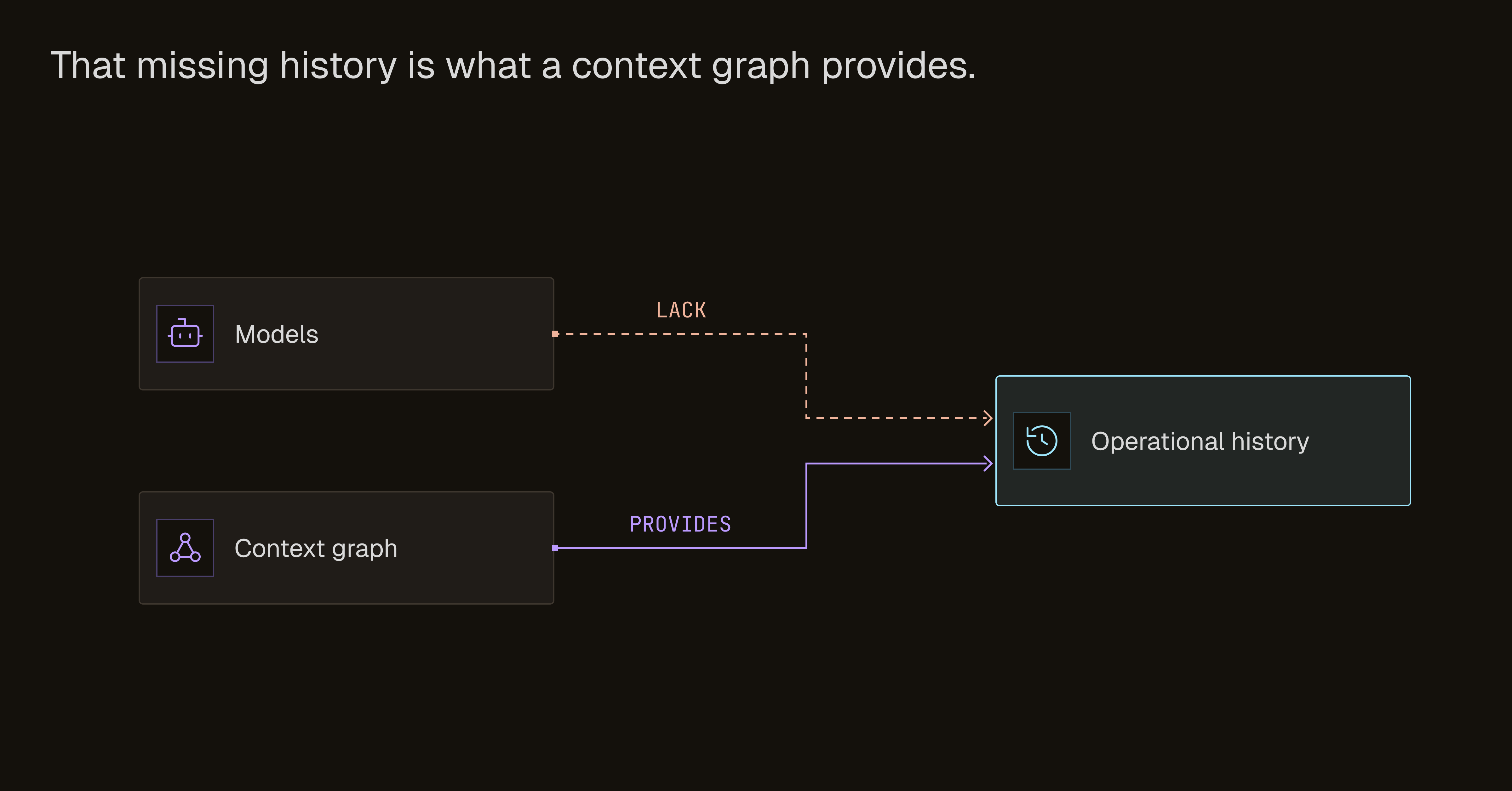
Building a context graph outside the agent layer is often an operational trap for many teams. Lets understand this in a little more detail and consider a scenario where "an infrastructure engineer asks an autonomous agent to remediate an out-of-memory alert on a Kubernetes cluster, trace an unexpected latency spike across microservices, or redeploy container workloads across availability zones" The underlying model in this scenario cannot make safe modifications without knowing the organizational dependencies and ownership boundaries connecting those systems. Without context, models execute isolated tool calls. They know how to call an API, but lack the operational history required to decide whether calling that API is safe. That missing history is what a context graph provides.
A common build objection: “A context graph is a graph database with a new name”
Platform Engineering teams that want to build with this assumption are often tempted to turn this thought into an engineering spec: if it is a graph database, the platform team can stand one up and point the agents at it. Published guides already show this path.
“A context graph is a graph database and our data team can build it in-house.”
We hear this assumption often from engineering leaders, but this approach fails once agents start executing real workflows.
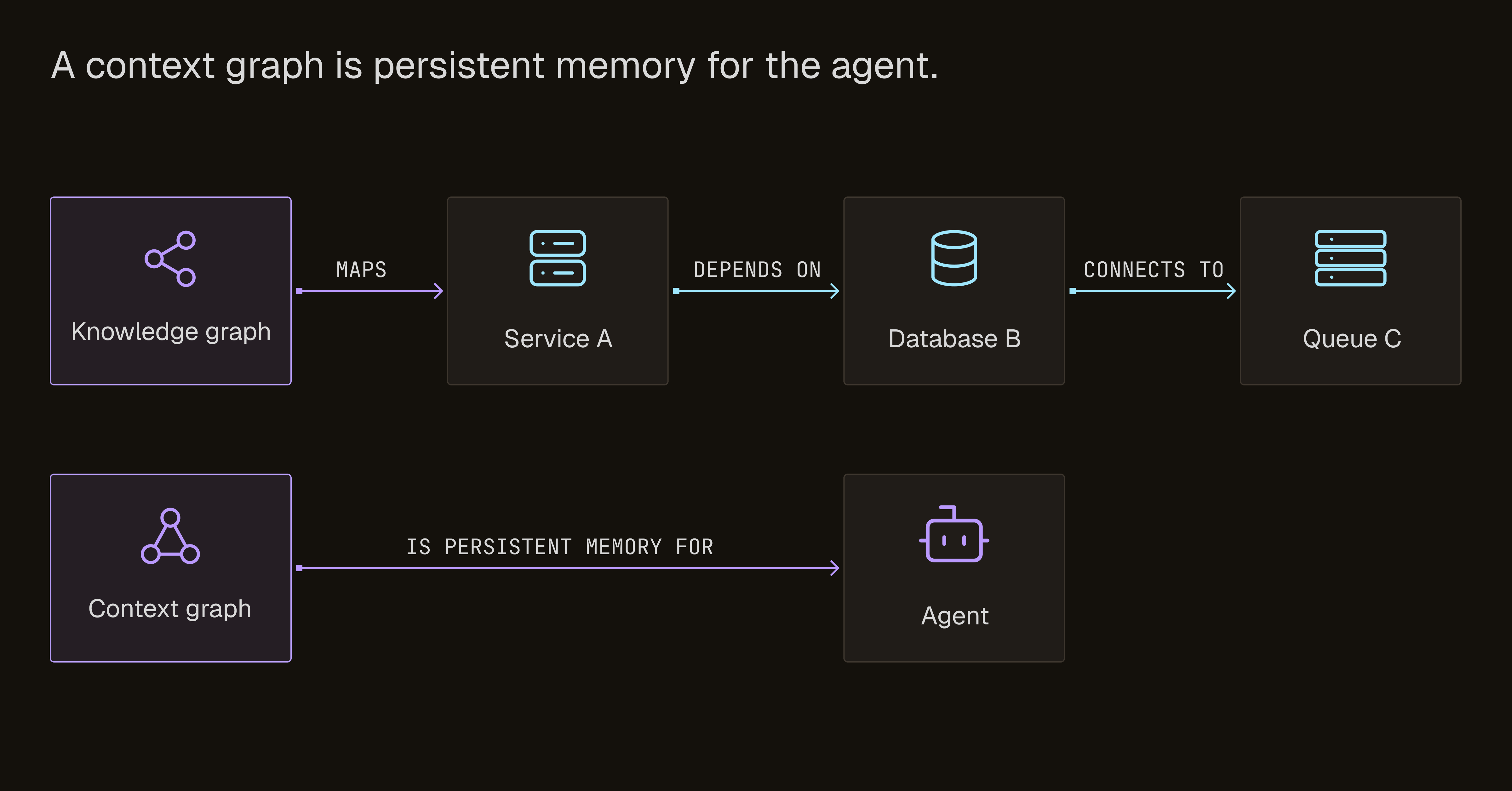
A knowledge graph maps entities and relationships: service A depends on database B, which connects to queue C. This structure does not record who agreed to a change, what justified it, or whether the result held. A context graph is essentially persistent memory for an agent: what the organization knows, the conversation in front of it, and the trace of why a past action was taken.
Why static graphs miss the execution loop
Capturing the trace takes a loop between execution and storage. A model can call tools and still lack the process knowledge to automate the work.
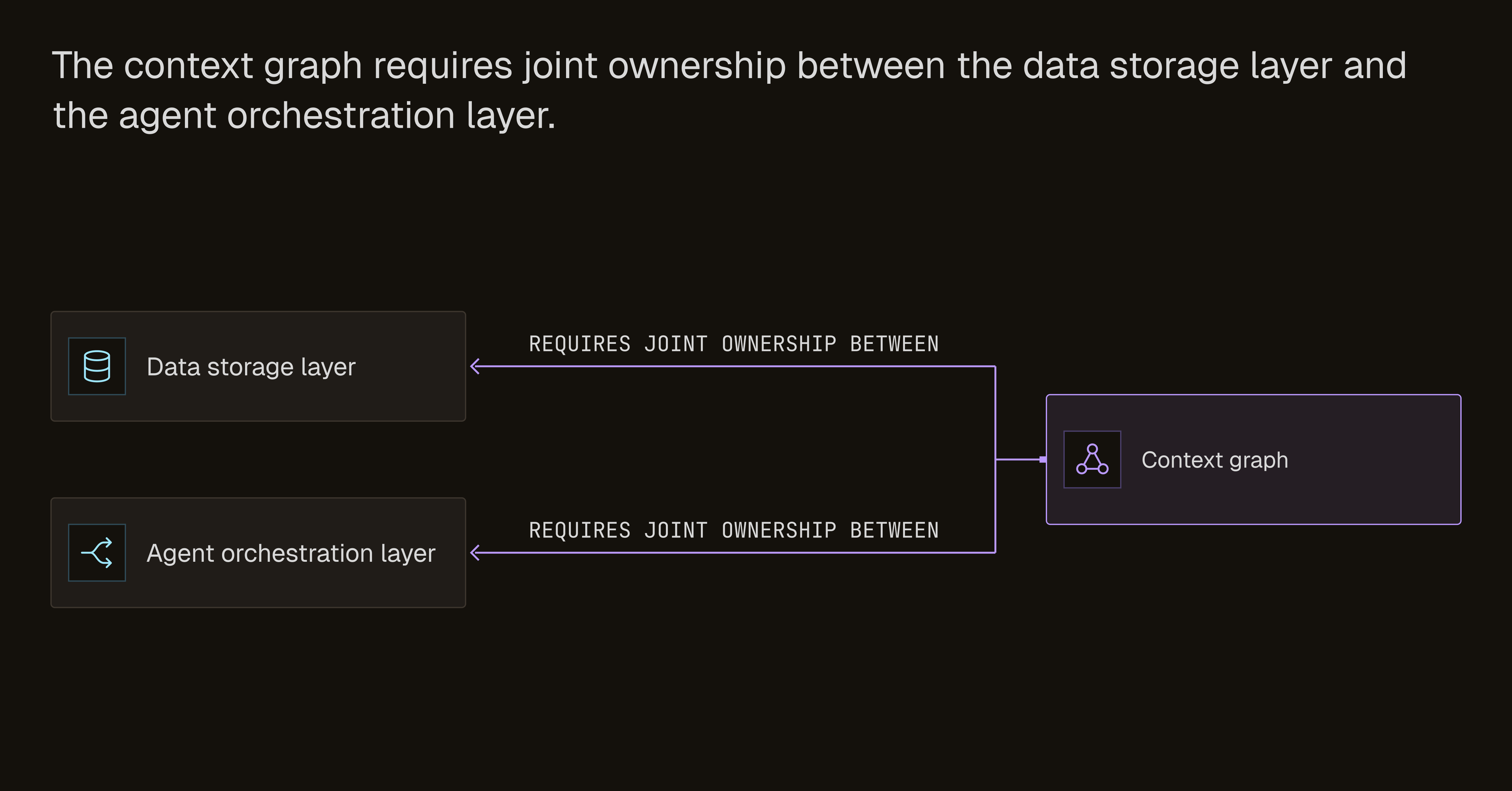
Agents acquire process knowledge when they run inside a system that records their actions. To maintain an evolving operational memory, the context graph requires joint ownership between the data storage layer and the agent orchestration layer. If your platform team builds the graph as an isolated database, your engineers need to maintain custom instrumentation across every agent runner to pipe execution traces back into storage. This maintenance burden can quickly become technical debt.


Two failure modes in internal graph builds: entity resolution and memory limits
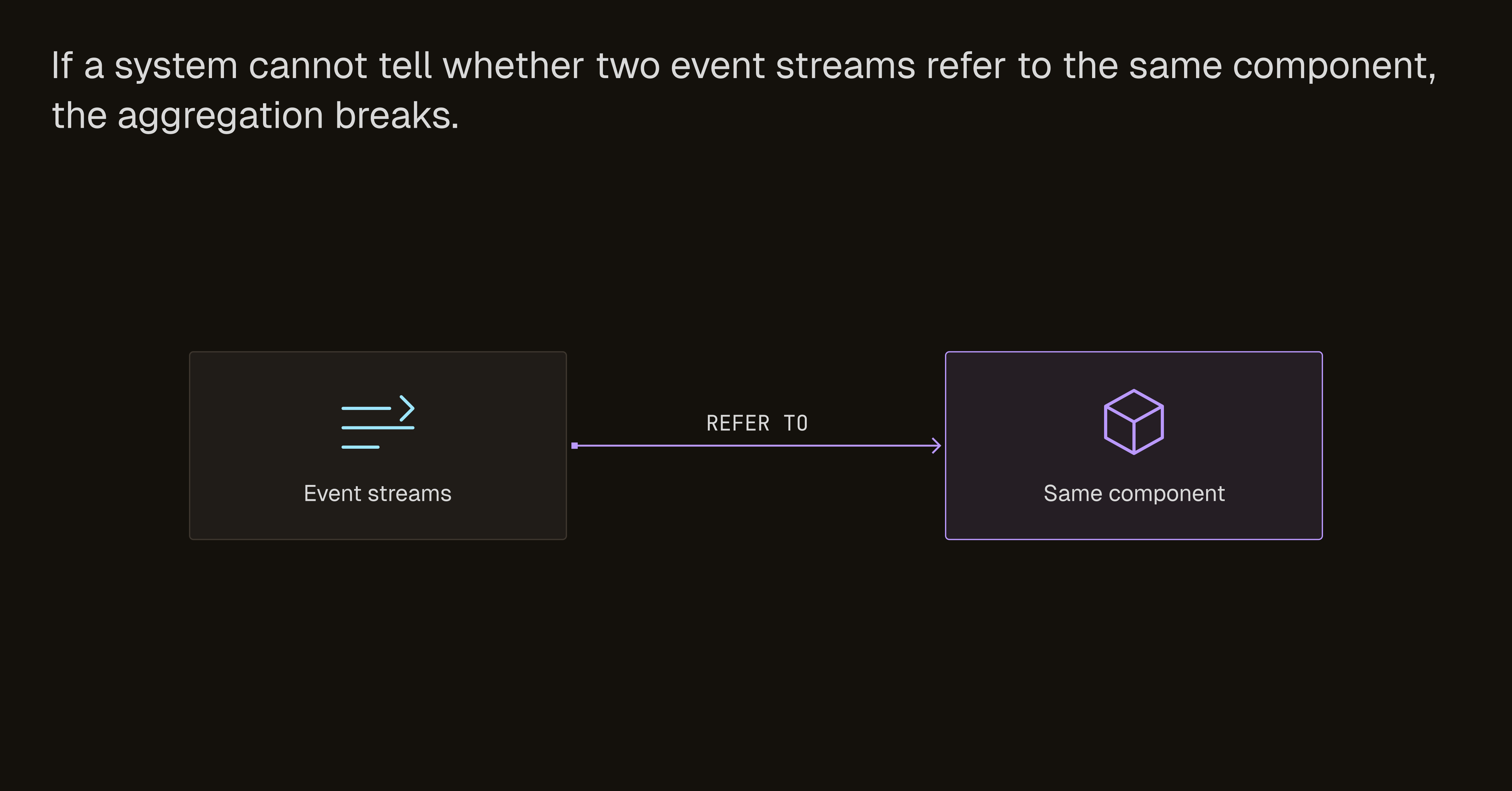
Two difficulties show up once a team tries to run a self build loop. The first difficulty is entity resolution across separate event streams. Enterprise infrastructure does not share a unified primary key: CI/CD pipelines identify an application by repository path and commit SHA, observability collectors track that workload by container namespace and pod UID, ticketing systems use project keys, and cloud invoices track account numbers and resource tags. If a system cannot tell whether two event streams refer to the same component, the aggregation breaks. Reconciling those conflicting identities across dozens of internal tools requires ongoing distributed-systems engineering.
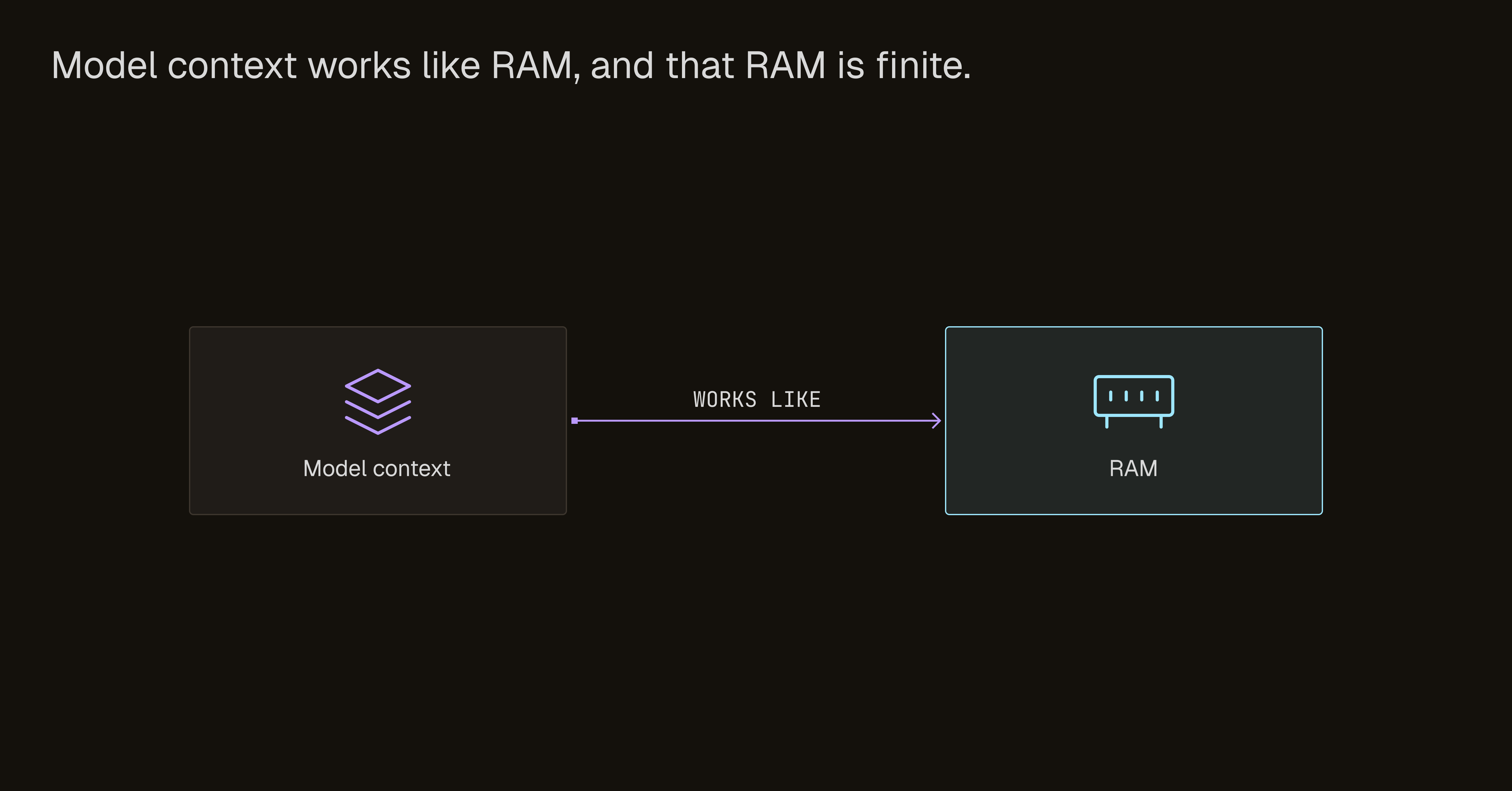
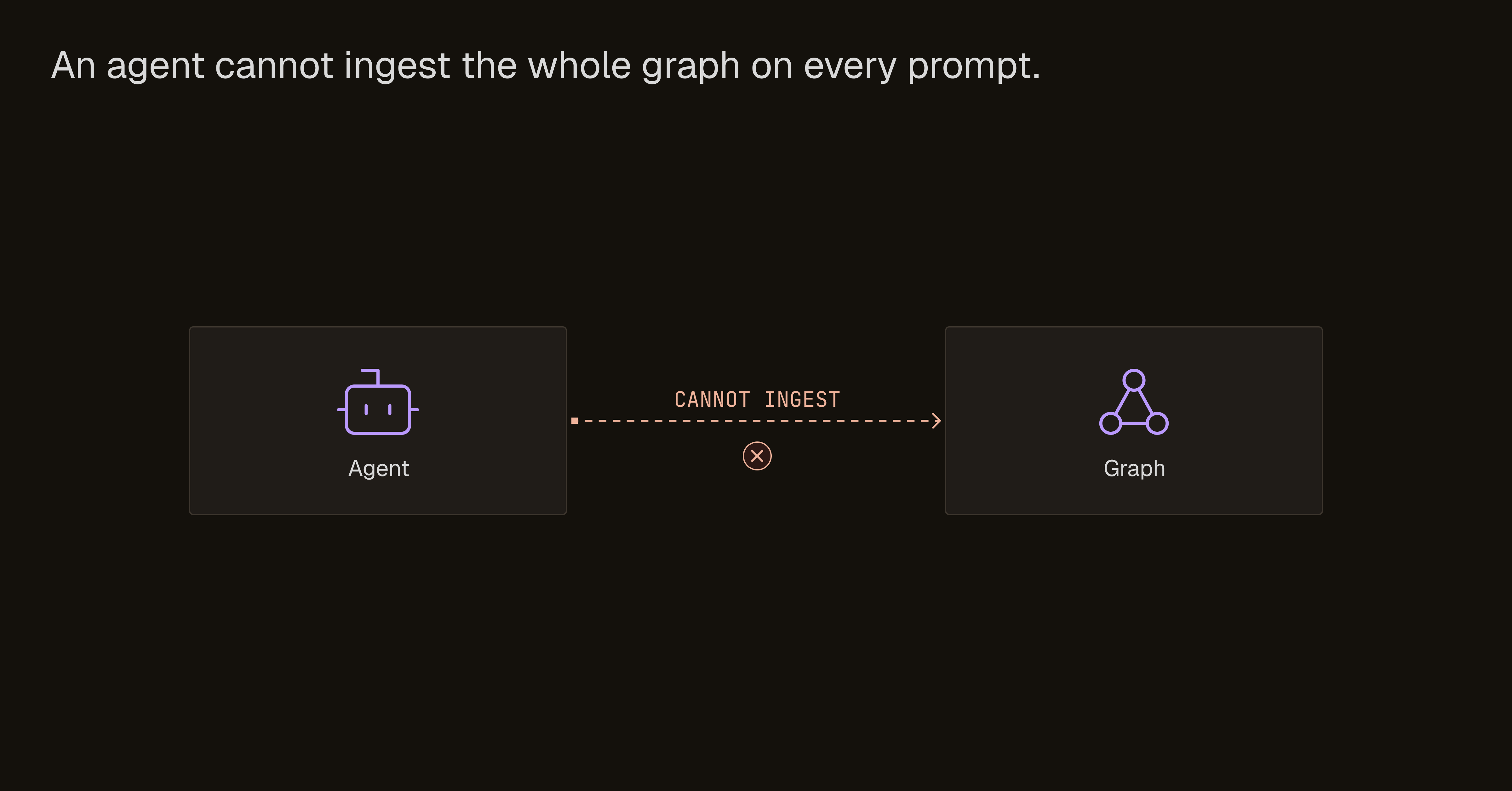
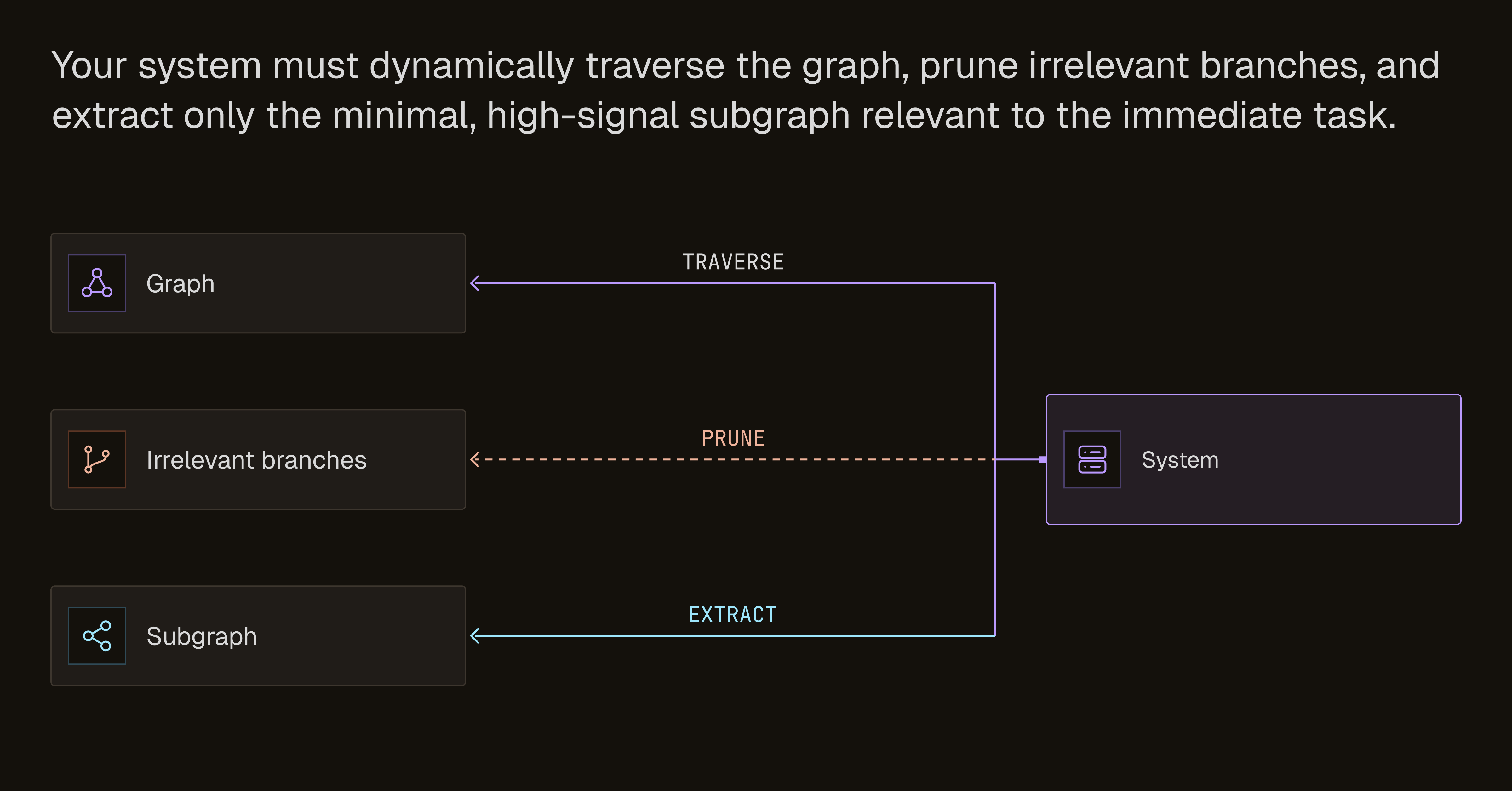
The second difficulty is the physical constraint of model context windows. Model context works like RAM, and that RAM is finite. An agent cannot ingest the whole graph on every prompt. Your system must dynamically traverse the graph, prune irrelevant branches, and extract only the minimal, high-signal subgraph relevant to the immediate task. If your platform engineers must design custom graph-traversal algorithms, caching tiers, and scoring models to while handling concurrent agent sessions, they end up maintaining a complex graph query engine instead of building features for your core business.
Why the graph must live inside the orchestration layer
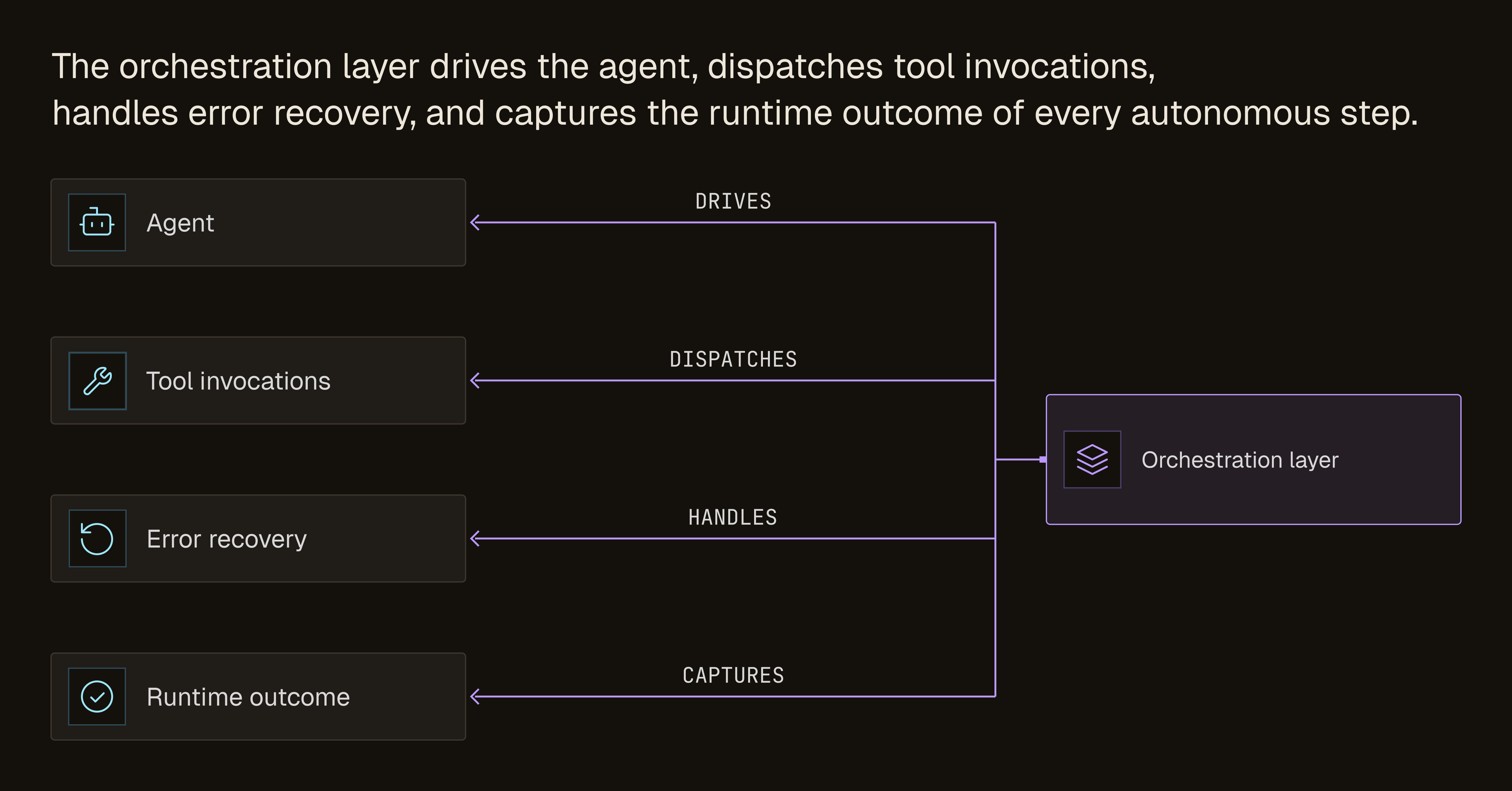
These architectural realities explain why decoupling the context graph from agent orchestration fails. A context graph operates as an active subsystem of the agent execution engine rather than a passive database. The orchestration layer drives the agent, dispatches tool invocations, handles error recovery, and captures the runtime outcome of every autonomous step. Because the graph must ingest those execution traces immediately to inform subsequent decisions, the graph and the orchestrator must run together.

This is why getting the agent layer with a context graph integrated beats staffing an internal graph project. The graph has to sit where the decision happens, keep a record of why the decision was allowed, agree what an entity means before events go in, take agent and human actions back as new traces, and choose a slice because the context window is finite. StackGen is building these components as one agent layer for enterprises, with the context graph tightly coupled to the Agent tier.

What platform engineering leaders should decide
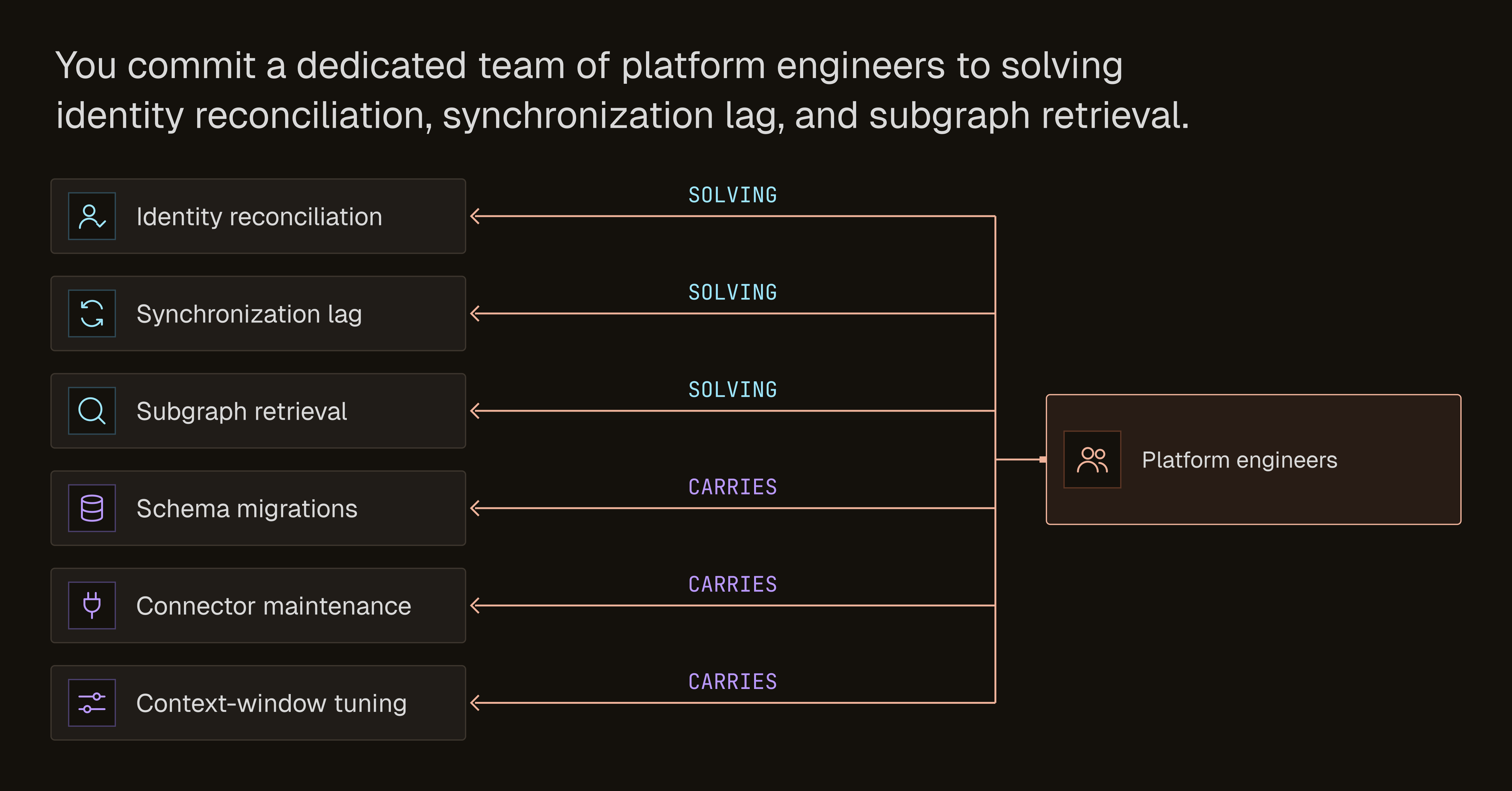
Deciding whether to build or buy an enterprise context graph comes down to where your senior engineers spend their focus. The cost of a bad build decision is high. If you choose to build, you commit a dedicated team of platform engineers to solving things like identity reconciliation, synchronization lag, and subgraph retrieval across heterogeneous developer tools. If they fail to keep the graph synchronized with runtime execution, your agents act on incomplete context, eroding developer trust across the organization.
If your roadmap includes a swarm of autonomous agents that should diagnose production incidents, manage infrastructure changes, and coordinate work across distributed platforms, a context graph becomes a critical aspect of your agent architecture stack.
StackGen is building this integrated stack for teams looking to deploy autonomous agents for end to end Platform Engineering workflows.